Keep Learning with Bushscout: Oak Gall Ink Made Simple!
Helen Russell • 14 November 2025
Autumn is the perfect time to get outdoors, explore the woods, and gather the ingredients for a surprisingly simple, and wonderfully scientific, craft project: making Oak Gall Ink.
It’s a brilliant activity for Scouts, leaders, families or anyone who loves turning nature into something useful.
🍁 What Are Oak Galls?
Oak galls are small, round growths found on oak trees. They form when a tiny wasp lays its eggs inside the tree tissue. The tree reacts by forming a gall, creating a ready-made home for the growing larva.
They look like knobbly, woody marbles and are often found in abundance on the woodland floor in autumn.
✒️ Why Oak Gall Ink?
For centuries, oak gall ink was one of the most important inks in Europe. It was prized because:
- It goes onto the page as a liquid
- It then oxidises and becomes permanent
- It can’t be washed off once dry
It’s a fantastic blend of history, chemistry and hands-on creativity.
In the video, Lee shows you:
- How to identify and collect oak galls
- How to crush them
- How to steep them with iron
- What the ink looks like after a day
- The simple but fascinating chemistry behind it
🔧 How to Make Oak Gall Ink
Here’s the quick method shown in the video:
- Collect a handful of oak galls from under any oak tree.
- Crush them using a pestle and mortar or a heavy stone.
- Place the crushed galls into a jar.
- Add steel wool or rusty nails (anything containing iron).
- Cover with water.
- Leave for 24–48 hours.
- Watch the mixture turn brown, then black, then purple-black.
That’s it — you’ve made your own traditional ink!
🧪 The Science Bit (explained simply)
Oak galls are packed with tannins. When you add iron, it reacts with the tannic acid to create iron ions that dissolve in the water. Once the ink touches paper, these ions oxidise into a different form that isn’t water-soluble, which means your writing becomes permanent.
A perfect “stealth science” moment for young people who don’t realise they’re learning.
🍂 Try the Full Autumn Project
Making ink is just the start. You can build a whole autumn term around it:
Create quill pens from feathers
Make paper from natural fibres
Write letters or labels using your own handmade ink
We’ll be sharing more videos soon to help you build the whole set of skills.
If you try making oak gall ink, let us know how it goes — tag us on socials or share a photo with your group!
Keep Learning with Bushscout.UK
If you’d like to keep growing your skills and discover more hands-on projects like this, make sure you subscribe to our newsletter.
We’ll be sharing:
- Upcoming Bushscout.UK courses for adult volunteers in Scouting
- Practical tips and resources to support your outdoor programme
- A monthly spark of inspiration to keep your Scouting adventures burning bright
So go on - try something new, enjoy the process, and remember: simple doesn’t mean basic. It means brilliant, achievable and worth doing.
Share
We are powered by 200+ dedicated volunteers across the UK. Here are some of the key people you might meet along the way, and how you can get involved.
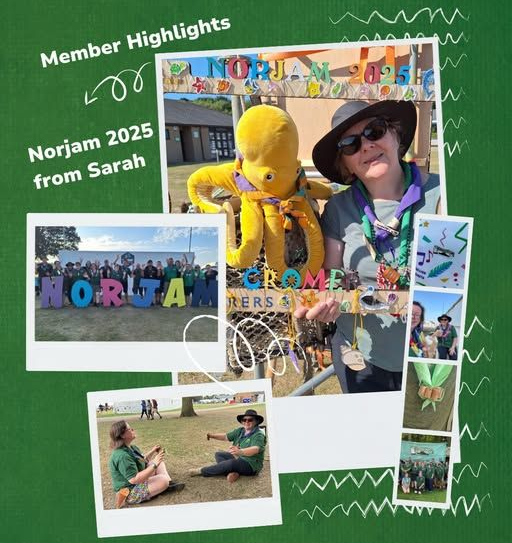
We are throwing it back to the summer to celebrate one of our brilliant volunteers. Sarah spent her week at NorJam as part of team Bushscout.UK, and she has kindly shared what makes a jamboree such a special, unforgettable experience.
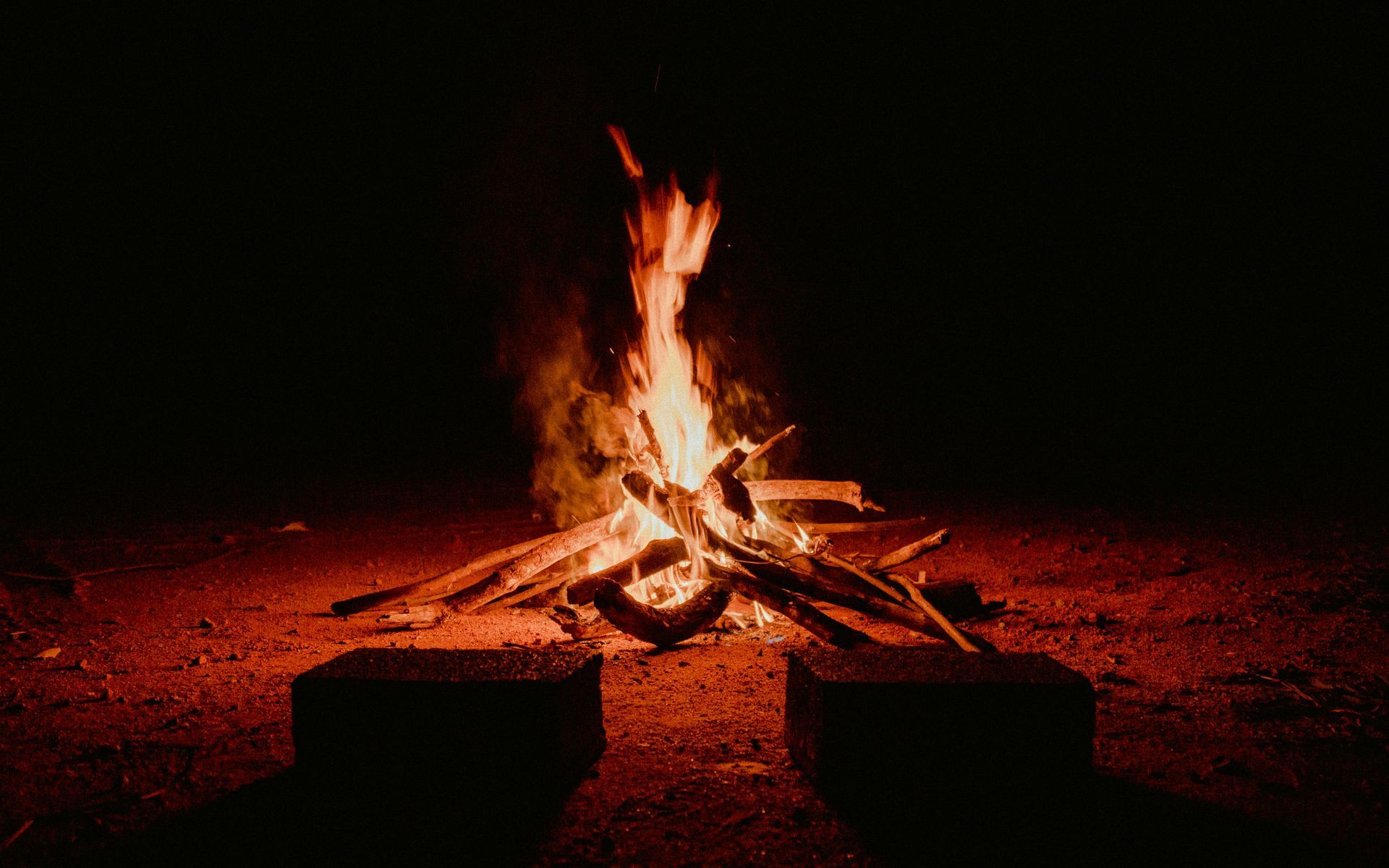
Learn how to make firelighting easy on your next Scout night. Bushscout.UK shares simple, safe and successful methods to help volunteers light fires with confidence — from Squirrels to Explorers and beyond.
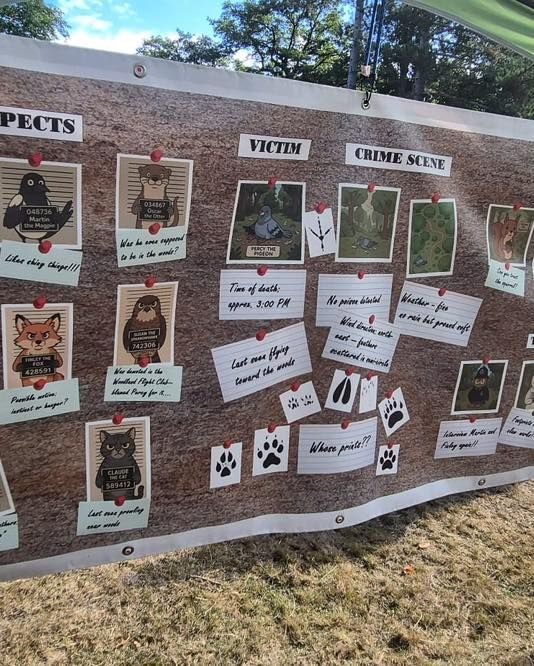
Gilwell Reunion is the annual weekend of programme ideas, practical skills and support for adult volunteers in Scouting at Gilwell Park, The Scout's HQ. In August 2025, 55 BushscoutUK members provided their ever popular practical skills bases, with a mixture of taster activities from our skills days and innovative ideas that young people and adults love.
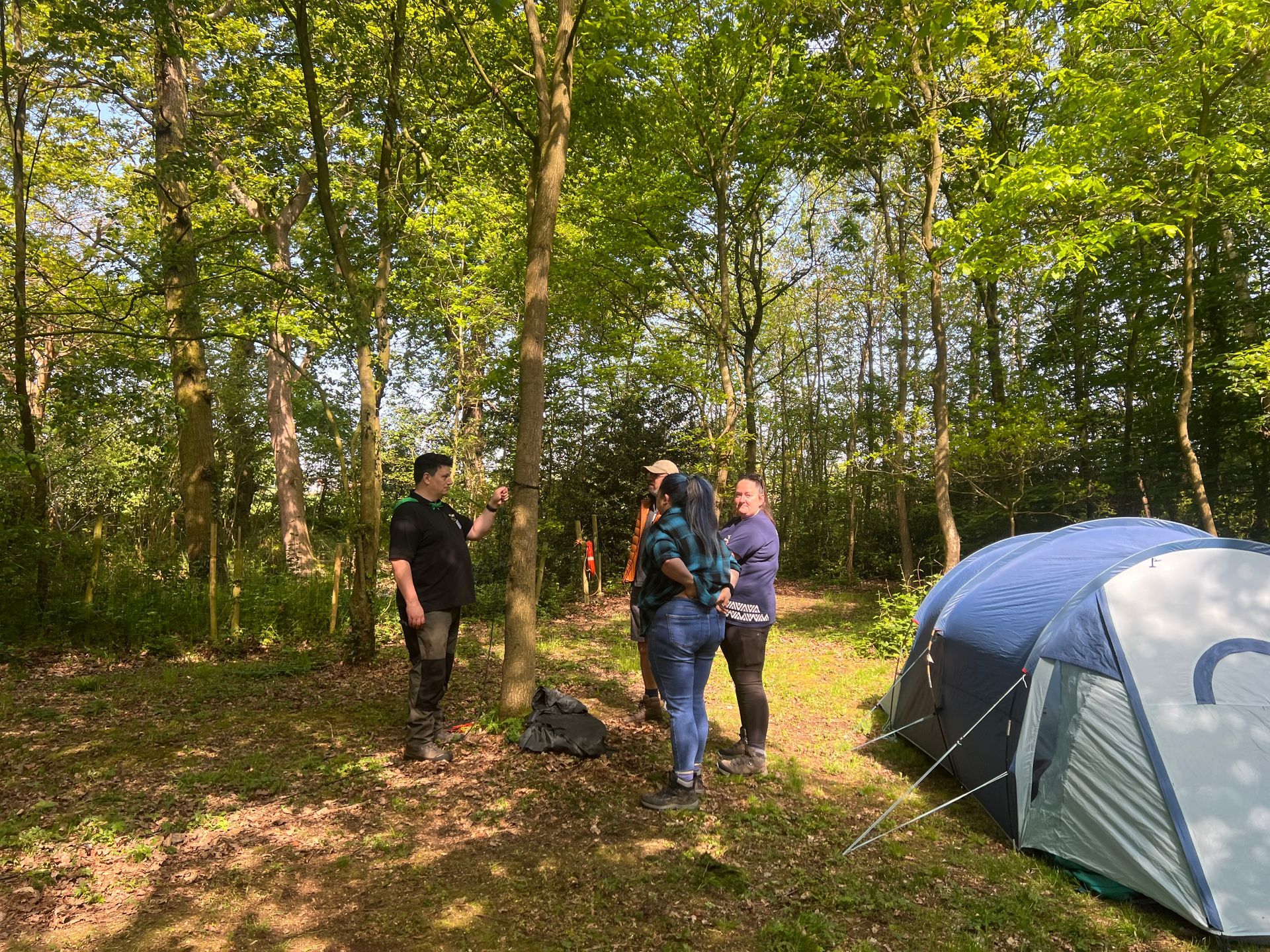
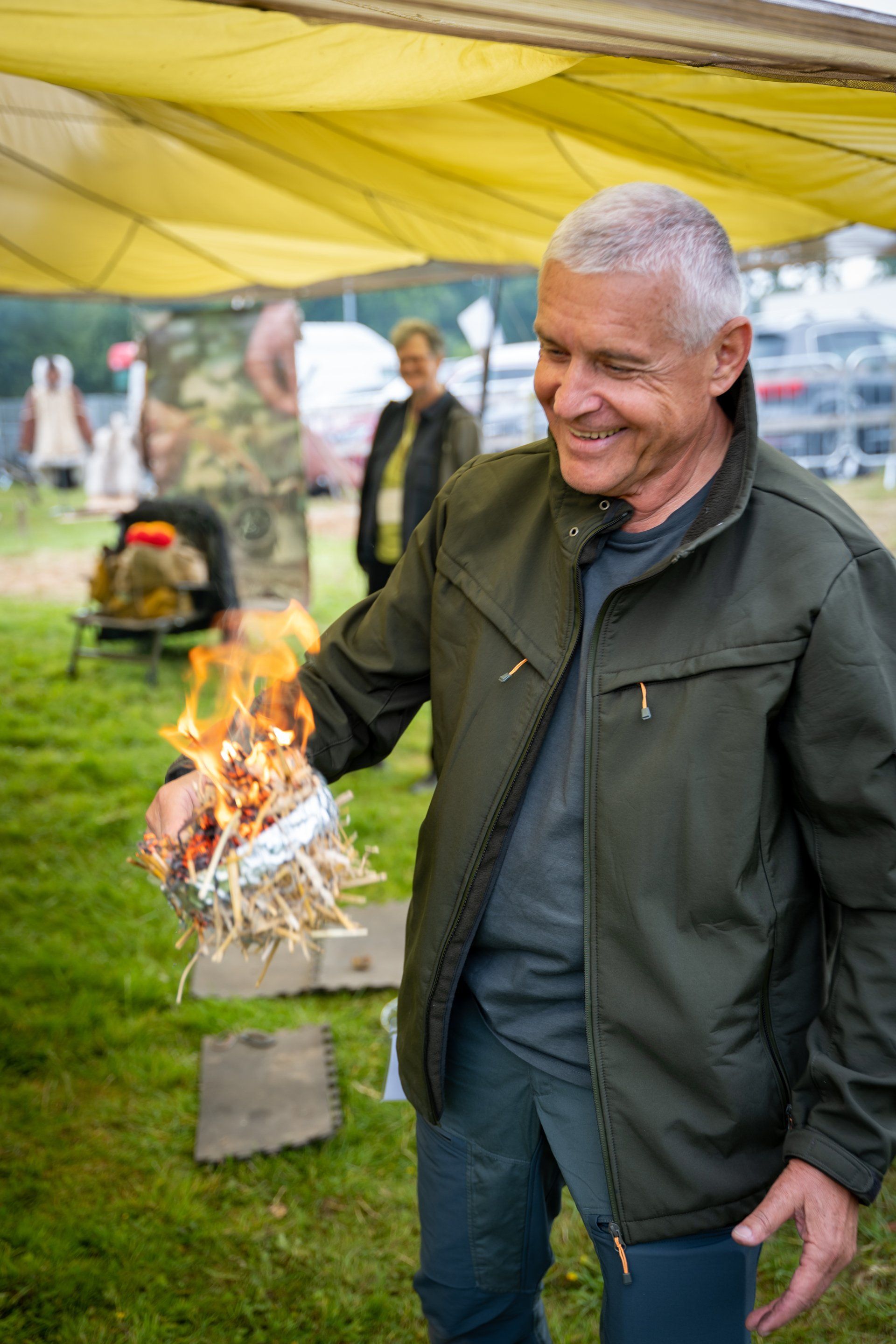
The Global Bushcraft Symposium(GBS) is an international gathering to promote bushcraft, survival, and traditional skills instruction through the open exchange of philosophies, teaching methods and dissemination of best practices within these fields”. For2022 the Global Bushcraft Symposium was hosted in the UK in Wales. Attendees and speakers travelled from all over the world to the event, with some bringing themed camp equipment and activities by road and across the sea by ferry. The event consisted of several main talks, break-out talks, Skills workshops and themed camps, as well as lots of conversations and discussions about bushcraft and related skills. The theme this year was “lifelong learning” with the main speeches focused on this topic with details of how others had been on their learning journey and where it would take them next. There was a good mix of practitioners and academics covering different topics.